
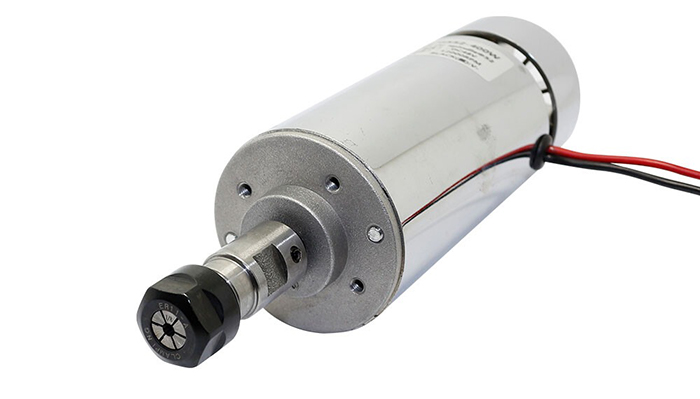
มอเตอร์แกนหมุนทำหน้าที่ขับเคลื่อนแกนหมุนของเครื่อง CNC ทำให้เครื่องมือตัดหมุนด้วยความเร็วสูงเพื่อการตัดเฉือนที่แม่นยำ เป็นส่วนประกอบหลักที่กำหนดประสิทธิภาพการตัด ผิวชิ้นงาน และประสิทธิภาพการผลิต
สรุปสำหรับผู้ใช้งานโปรแกรม Skimmer:
• มอเตอร์หลักที่หมุนเครื่องมือตัด
• ออกแบบมาเพื่อการทำงานต่อเนื่องด้วยความเร็วสูง
ทั้งมอเตอร์แกนหมุนและมอเตอร์เซอร์โวมีความสำคัญอย่างยิ่งในเครื่อง CNC โดยทั่วไปแล้วพวกมันมักทำงานร่วมกัน แต่จริงๆ แล้วมันไม่ใช่สิ่งเดียวกัน
กล่าวโดยสรุป:
• มอเตอร์แกนหมุนจะหมุนเครื่องมือตัด
• มอเตอร์เซอร์โวทำหน้าที่เคลื่อนแกนของเครื่องจักร
• อันหนึ่งควบคุมกำลังการตัด
• ส่วนอื่นๆ ควบคุมการเคลื่อนไหวและตำแหน่ง
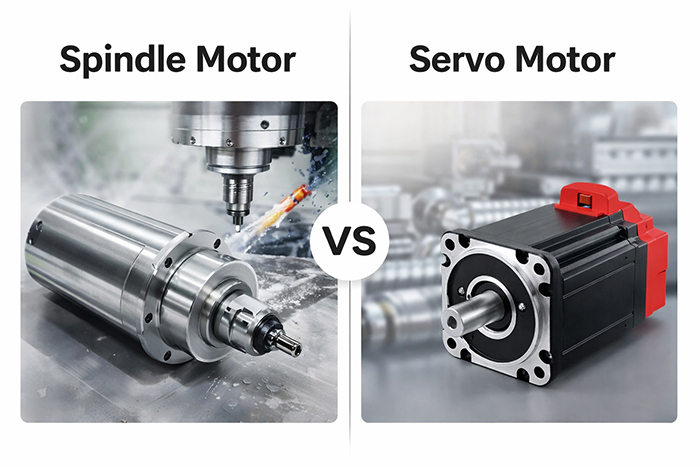
มอเตอร์แกนหมุนได้รับการออกแบบมาเพื่อหมุนเครื่องมือด้วยความเร็วรอบสูง เพื่อให้สามารถตัดวัสดุได้อย่างมีประสิทธิภาพ
คุณสมบัติหลัก:
• การหมุนต่อเนื่องด้วยความเร็วสูง (8,000–24,000 รอบต่อนาที หรือมากกว่า)
• แรงบิดคงที่ระหว่างการตัด
• ออกแบบมาเพื่อทนต่อความร้อนและการสั่นสะเทือน
• เน้นที่พลังและประสิทธิภาพในการตัด
หากมอเตอร์แกนหมุนมีกำลังอ่อน ประสิทธิภาพการตัดจะลดลง แม้ว่าส่วนอื่นๆ ของเครื่องจักรจะทันสมัยก็ตาม
มอเตอร์เซอร์โวทำหน้าที่ควบคุมการเคลื่อนที่ของแกน CNC (แกน X, Y, Z และบางครั้งอาจรวมถึงแกน AC ด้วย)
คุณสมบัติหลัก:
• ความแม่นยำในการระบุตำแหน่งสูง
• การตอบสนองการเริ่มต้นและหยุดที่รวดเร็ว
• การป้อนกลับของตัวเข้ารหัสสำหรับการควบคุมที่แม่นยำ
• ออกแบบมาเพื่อการเคลื่อนที่แบบควบคุม ไม่ใช่การหมุนด้วยความเร็วสูงอย่างต่อเนื่อง
มอเตอร์เซอร์โวเป็นตัวกำหนดความแม่นยำในการเคลื่อนที่ของเครื่องจักร ไม่ใช่ลักษณะการตัด
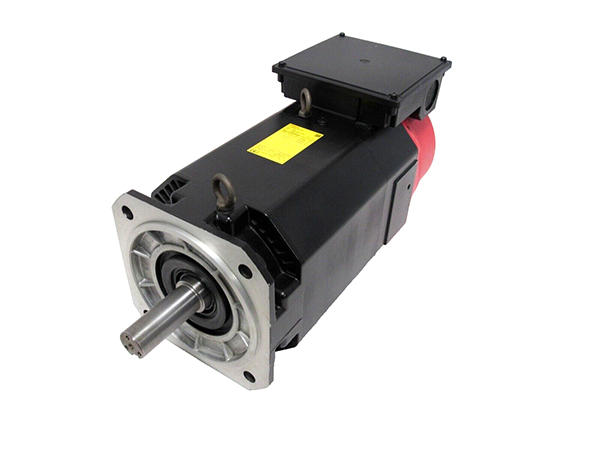
มอเตอร์แกนหมุนไม่ได้ถูกสร้างมาเหมือนกันทั้งหมด การออกแบบที่แตกต่างกันนั้นตอบสนองความต้องการในการตัดเฉือนที่แตกต่างกัน ตั้งแต่การตัดเหล็กหนักไปจนถึงการตกแต่งผิวอลูมิเนียมความเร็วสูง
มอเตอร์แกนหมุนสามารถจำแนกได้หลายวิธี ดังนี้:
โดยโครงสร้างการขับเคลื่อน
โดยวิธีการทำความเย็น
ตามช่วงความเร็ว
ตามประเภทแอปพลิเคชัน
นี่คือประเภทหลักๆ ที่คุณจะพบเห็นได้ทั่วไปในเครื่องจักร CNC
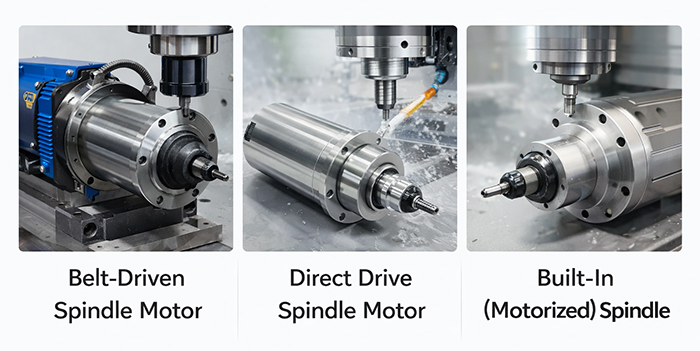
มอเตอร์แกนหมุนแบบขับเคลื่อนด้วยสายพาน
แกนหมุนแบบใช้สายพานขับเคลื่อนจะใช้มอเตอร์ภายนอกที่เชื่อมต่อด้วยระบบสายพาน
• ประหยัดค่าใช้จ่ายและดูแลรักษาง่าย
• เหมาะสำหรับงานกลึงทั่วไป
• มีการสั่นสะเทือนเล็กน้อยที่ความเร็วสูงมาก
• พบได้ทั่วไปในเครื่องจักรกลซีเอ็นซีแนวตั้งมาตรฐาน
เหมาะสำหรับ: การตัดเหล็กทั่วไปและการผลิตในชีวิตประจำวัน
มอเตอร์แกนหมุนแบบขับตรง
แกนหมุนแบบขับตรงจะเชื่อมต่อมอเตอร์เข้ากับแกนหมุนโดยตรงโดยไม่ต้องใช้สายพาน
• ความแข็งแกร่งที่สูงขึ้น
• ความเร็วที่เสถียรยิ่งขึ้น
• การสั่นสะเทือนต่ำกว่าระบบสายพาน
• ประสิทธิภาพที่แม่นยำยิ่งขึ้น
เหมาะสำหรับ: การขึ้นรูปแม่พิมพ์และงานที่ต้องการความแม่นยำสูง
แกนหมุนแบบติดตั้งในตัว (ใช้มอเตอร์)
ในการออกแบบนี้ มอเตอร์ถูกรวมเข้าไว้ภายในชุดแกนหมุนโดยตรง
• โครงสร้างขนาดกะทัดรัด
• ความสามารถในการหมุนรอบสูงมาก
• การเร่งความเร็วและการลดความเร็วอย่างรวดเร็ว
• เหมาะอย่างยิ่งสำหรับการตัดเฉือนด้วยความเร็วสูง
เหมาะสำหรับ: ชิ้นส่วนอากาศยาน การกลึงอลูมิเนียม และการตกแต่งผิวชิ้นงานความเร็วสูง
มอเตอร์แกนหมุนจะสร้างความร้อนขณะทำงาน ระบบระบายความร้อนส่งผลต่อเสถียรภาพและอายุการใช้งาน
แกนหมุนระบายความร้อนด้วยอากาศ
• โครงสร้างที่เรียบง่าย
• ต้นทุนที่ต่ำกว่า
• เหมาะสำหรับงานที่มีปริมาณปานกลาง
แกนหมุนระบายความร้อนด้วยน้ำมัน
• การควบคุมความร้อนที่ดีขึ้น
• มีความเสถียรมากขึ้นในระหว่างการผลิตระยะยาว
• พบได้ทั่วไปในเครื่องจักรประสิทธิภาพสูง
แกนหมุนระบายความร้อนด้วยน้ำ
• การระบายความร้อนอย่างมีประสิทธิภาพ
• การทำงานที่เงียบกว่า
• ใช้ในงานที่ต้องการความเร็วสูงและความแม่นยำสูง
มอเตอร์แกนหมุนยังแบ่งกลุ่มตามความสามารถในการหมุนรอบต่อนาที (RPM) อีกด้วย
ความเร็วรอบต่ำ แรงบิดสูง (≤6,000 รอบต่อนาที)
เหมาะอย่างยิ่งสำหรับการตัดเหล็กหนาและชิ้นส่วนขนาดใหญ่
ความเร็วปานกลาง (8,000–12,000 รอบต่อนาที)
ประสิทธิภาพที่สมดุลสำหรับการใช้งานเครื่องจักรทั่วไป
ความเร็วสูง (15,000–24,000 รอบต่อนาที)
ออกแบบมาเพื่อใช้กับอลูมิเนียม แม่พิมพ์ และการตกแต่งผิวอย่างแม่นยำ
ความเร็วสูงพิเศษ (30,000+ รอบต่อนาที)
ใช้ในสภาพแวดล้อมการตัดเฉือนความเร็วสูงเฉพาะทาง
ระบบขับเคลื่อนด้วยสายพาน = ประหยัดและใช้งานได้หลากหลาย
ระบบขับเคลื่อนตรง (Direct drive) = แม่นยำและเสถียรยิ่งขึ้น
แกนหมุนในตัว = ความเร็วสูงและขนาดกะทัดรัด
ระบบระบายความร้อนมีผลต่อเสถียรภาพและอายุการใช้งาน
ความเร็วรอบ (RPM) เป็นตัวกำหนดความสามารถในการตัด
เมื่อเลือกซื้อมอเตอร์แกนหมุน ผู้ซื้อส่วนใหญ่จะเน้นที่ประสิทธิภาพ แต่ประสิทธิภาพมักมาพร้อมกับข้อแลกเปลี่ยนเสมอ
การเข้าใจทั้งสองด้านจะช่วยให้คุณหลีกเลี่ยงการจ่ายเงินมากเกินไปหรือการตั้งค่าที่ไม่เหมาะสม เครื่องจักร CNC.
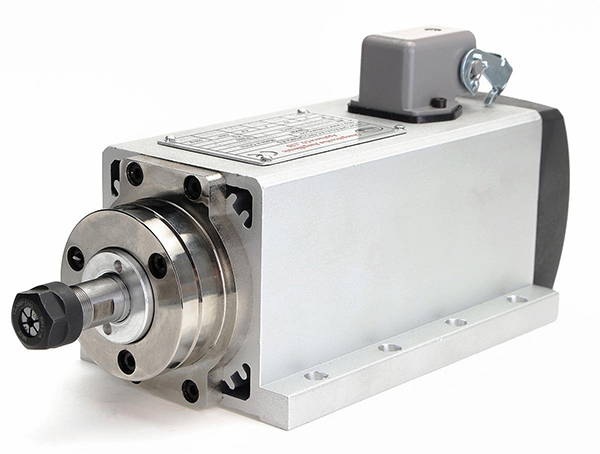
• ประสิทธิภาพการตัดเฉือนที่สูงขึ้น: มอเตอร์แกนหมุนที่ทรงพลังช่วยให้สามารถตัดได้รวดเร็วขึ้นและกำจัดวัสดุได้เร็วขึ้น
• ผิวชิ้นงานเรียบเนียนยิ่งขึ้น: การหมุนที่เสถียรพร้อมการสั่นสะเทือนต่ำช่วยปรับปรุงคุณภาพพื้นผิว โดยเฉพาะอย่างยิ่งในการขึ้นรูปแม่พิมพ์และการตัดเฉือนอลูมิเนียม
• อายุการใช้งานของเครื่องมือยาวนานขึ้น: แรงบิดที่สม่ำเสมอช่วยลดการสั่นสะเทือนและการสึกหรอที่ไม่สม่ำเสมอของเครื่องมือ ทำให้เครื่องมือมีอายุการใช้งานยาวนานขึ้น
• ความแม่นยำที่ดียิ่งขึ้น: มอเตอร์แกนหมุนประสิทธิภาพสูงรักษาความเร็วรอบให้คงที่ภายใต้ภาระ ทำให้รองรับค่าความคลาดเคลื่อนที่แคบลงได้
• การเร่งและลดความเร็วที่รวดเร็วยิ่งขึ้น: แกนหมุนแบบใช้มอเตอร์และแบบขับตรงสามารถทำความเร็วเป้าหมายได้อย่างรวดเร็ว ช่วยเพิ่มประสิทธิภาพการตัดเฉือนโดยรวม
• ต้นทุนเริ่มต้นสูงกว่า: มอเตอร์แกนหมุนแบบติดตั้งในตัวหรือความเร็วสูงมีราคาแพงกว่าระบบขับเคลื่อนด้วยสายพาน
• ความซับซ้อนในการบำรุงรักษา: แกนหมุนแบบมอเตอร์ในตัวนั้นซ่อมแซมยากกว่าเมื่อเทียบกับระบบสายพานแบบดั้งเดิม
• ข้อกำหนดด้านการจัดการความร้อน: การทำงานด้วยความเร็วสูงทำให้เกิดความร้อนมากขึ้น ระบบระบายความร้อนขั้นสูงทำให้เครื่องจักรมีความซับซ้อนมากขึ้น
• ค่าซ่อมอาจสูง: หากตลับลูกปืนหรือชิ้นส่วนภายในเสียหาย ค่าซ่อมอาจสูง โดยเฉพาะอย่างยิ่งสำหรับชิ้นส่วนที่ติดตั้งอยู่ภายในระบบ
• ไม่จำเป็นเสมอไป: สำหรับงานกลึงพื้นฐาน แกนหมุนความเร็วสูงพิเศษอาจไม่ให้ผลตอบแทนที่คุ้มค่าอย่างแท้จริง
การเลือกซื้อมอเตอร์แกนหมุนไม่ได้หมายความแค่การเลือกความเร็วรอบสูงสุดเท่านั้น
การเลือกที่เหมาะสมนั้นขึ้นอยู่กับวัสดุ เป้าหมายการผลิต และการตั้งค่าเครื่องจักรของคุณ
ต่อไปนี้คือประเด็นสำคัญที่ควรพิจารณาก่อนตัดสินใจ
วัสดุแต่ละชนิดต้องการประสิทธิภาพของแกนหมุนที่แตกต่างกัน
เหล็กกล้าและเหล็กหล่อต้องการแรงบิดสูงที่ความเร็วรอบต่ำ
อะลูมิเนียมได้ประโยชน์จากรอบหมุนสูงและการหมุนที่ราบรื่น
ไทเทเนียมต้องการพลังงานที่เสถียรและการควบคุมอุณหภูมิที่ดี
การเลือกช่วงความเร็วที่ไม่เหมาะสมอาจลดอายุการใช้งานของเครื่องมือและคุณภาพของพื้นผิวได้
อัตราการหมุนต่อนาที (RPM) เพียงอย่างเดียวไม่ได้เป็นตัวกำหนดประสิทธิภาพเสมอไป
คุณต้องปรับความเร็วรอบของแกนหมุนให้เหมาะสมกับขนาดของเครื่องมือตัดและกลยุทธ์การตัด
ลองถามตัวเองดูว่า:
โดยทั่วไปคุณตัดลึกเท่าไหร่ครับ/คะ?
คุณทำการขัดหยาบหนักหรือการขัดละเอียดอยู่ครับ/คะ?
คุณต้องการกำลังมอเตอร์แกนหมุนเท่าไหร่ (กิโลวัตต์)
เส้นโค้งแรงบิดที่สมดุลมีความสำคัญมากกว่าความเร็วสูงสุด
หากกระบวนการผลิตของคุณดำเนินไปอย่างต่อเนื่อง การระบายความร้อนจึงมีความสำคัญอย่างยิ่ง
การระบายความร้อนด้วยอากาศเหมาะสำหรับงานที่ไม่หนักมาก
การระบายความร้อนด้วยน้ำมันหรือน้ำช่วยเพิ่มเสถียรภาพในรอบการผลิตที่ยาวนาน
ความร้อนสูงเกินไปจะลดอายุการใช้งานของแกนหมุนและความแม่นยำในการตัดเฉือน
ก่อนซื้อ โปรดตรวจสอบ:
ชนิดของเกลียว (BT40, BT50, HSK เป็นต้น)
ข้อกำหนดด้านแหล่งจ่ายไฟ
ความเข้ากันได้กับ ATC
ความแข็งแกร่งของโครงสร้างเครื่องจักร
มอเตอร์แกนหมุนทุกตัวไม่ได้เหมาะกับเครื่อง CNC ทุกเครื่องเสมอไป
ราคาซื้อเป็นเพียงส่วนหนึ่งของต้นทุนทั้งหมด
พิจารณา:
อายุการใช้งานของตลับลูกปืน
ซ่อมแซมง่าย
ความพร้อมของอะไหล่
การสนับสนุนบริการ
ราคาเริ่มต้นที่ต่ำกว่าอาจนำไปสู่ค่าใช้จ่ายระยะยาวที่สูงขึ้นได้
ไม่มีมอเตอร์แกนหมุนตัวไหน "ดีที่สุด" มีแต่ตัวที่เหมาะสมกับความต้องการในการตัดเฉือนของคุณเท่านั้น
การเลือกที่เหมาะสมนั้นขึ้นอยู่กับวัสดุ ประเภทเครื่องจักร และเป้าหมายการผลิตของคุณ
นี่คือวิธีตัดสินใจ
หากคุณทำการแปรรูปเหล็กอ่อน เหล็กหล่อ หรือชิ้นส่วนเครื่องจักรกลมาตรฐานเป็นหลัก:
• โดยทั่วไปแล้ว รอบหมุน 8,000–12,000 รอบต่อนาทีก็เพียงพอแล้ว
• แกนหมุนแบบใช้สายพานหรือแบบขับตรงใช้งานได้ดี
• เน้นแรงบิดที่คงที่มากกว่าความเร็วสูง
เหมาะสำหรับ: การทำงานประจำวันและประสิทธิภาพที่สมดุล
หากงานของคุณเกี่ยวข้องกับการตัดลึกหรือการใช้เครื่องมือขนาดใหญ่:
• เลือกความเร็วรอบต่ำกว่าแต่ให้แรงบิดสูงกว่า
• มองหาแกนหมุนที่มีความแข็งแรงทนทานสูง
• ความเสถียรในการระบายความร้อนเป็นสิ่งสำคัญ
เหมาะสำหรับ: ชิ้นส่วนยานยนต์ ชิ้นส่วนโครงสร้าง และแม่พิมพ์ขนาดใหญ่
หากความเรียบของพื้นผิวและความเร็วในการตัดมีความสำคัญมากกว่าการตัดชิ้นงานหนัก:
• แนะนำให้ใช้ความเร็วรอบ 15,000–24,000 รอบต่อนาที
• ควรใช้แกนหมุนแบบขับตรงหรือแบบมอเตอร์ขับเคลื่อน
• การเร่งความเร็วที่รวดเร็วช่วยเพิ่มประสิทธิภาพ
เหมาะสำหรับ: ชิ้นส่วนอลูมิเนียม, การตกแต่งแม่พิมพ์, ชิ้นส่วนที่มีความแม่นยำสูง
ชิ้นส่วนที่ซับซ้อนต้องการประสิทธิภาพการทำงานที่ราบรื่นและการตอบสนองที่รวดเร็ว
• แกนหมุนแบบมอเตอร์ในตัว
• เครื่องชั่งความแม่นยำสูง
• ระบบระบายความร้อนขั้นสูง
เหมาะสำหรับ: ชิ้นส่วนอากาศยานและรูปทรงเรขาคณิตที่ซับซ้อน
มอเตอร์แกนหมุนต่างจากมอเตอร์ทั่วไปอย่างไร?
มอเตอร์ทั่วไปถูกออกแบบมาเพื่อใช้ในการหมุนเชิงกลโดยทั่วไป
มอเตอร์แกนหมุนได้รับการออกแบบทางวิศวกรรมมาโดยเฉพาะสำหรับการหมุนอย่างต่อเนื่องด้วยความเร็วสูงภายใต้ภาระการตัด ต้องรักษาแรงบิดที่คงที่ การสั่นสะเทือนน้อยที่สุด และการควบคุมความเร็วที่แม่นยำในระหว่างการตัดเฉือน
กล่าวโดยสรุป มอเตอร์แกนหมุนถูกสร้างขึ้นเพื่อการตัดเฉือนที่แม่นยำ ไม่ใช่เพื่อการส่งกำลังทั่วไป
มอเตอร์แกนหมุนมีอายุการใช้งานนานเท่าใด?
อายุการใช้งานของมอเตอร์แกนหมุนขึ้นอยู่กับการใช้งานและการบำรุงรักษา
โดยเฉลี่ย:
อายุการใช้งานปกติ: 3–5 ปี
การผลิตต่อเนื่องความเร็วสูง: อายุการใช้งานสั้นลง
การบำรุงรักษาและการระบายความร้อนที่เหมาะสม: อายุการใช้งานยาวนานขึ้นอย่างเห็นได้ชัด
โดยปกติแล้วตลับลูกปืนจะเป็นชิ้นส่วนแรกที่สึกหรอ
อะไรคือสาเหตุที่ทำให้มอเตอร์แกนหมุนร้อนเกินไป?
สาเหตุทั่วไป ได้แก่:
ประสิทธิภาพระบบระบายความร้อนต่ำ
ภาระการตัดที่มากเกินไป
ตลับลูกปืนสึกหรอ
การทำงานต่อเนื่องที่ความเร็วรอบสูงสุด
การหล่อลื่นที่ไม่เหมาะสม
ความร้อนสูงเกินไปจะลดความแม่นยำและทำให้อายุการใช้งานของแกนหมุนสั้นลง
มอเตอร์แกนหมุนสามารถซ่อมได้หรือไม่?
ใช่ แต่ขึ้นอยู่กับการออกแบบด้วย
แกนหมุนที่ขับเคลื่อนด้วยสายพานนั้นซ่อมแซมง่ายและประหยัดกว่า
แกนหมุนแบบมอเตอร์ในตัวมีความซับซ้อนและมีค่าใช้จ่ายในการบำรุงรักษาที่สูงกว่า
ในบางกรณี การเปลี่ยนชุดแกนหมุนอาจเหมาะสมกว่าการซ่อมแซม
รอบเครื่องยนต์ที่สูงกว่านั้นดีกว่าเสมอไปหรือไม่?
ไม่จำเป็นเสมอไป
รอบต่อนาทีที่สูงขึ้นช่วยเพิ่มประสิทธิภาพในการตกแต่งชิ้นงาน แต่การตัดเหล็กหนาต้องการแรงบิดมากกว่าความเร็ว
มอเตอร์แกนหมุนที่ดีที่สุดจะสร้างสมดุลระหว่างความเร็วและแรงบิดตามลักษณะการใช้งานของคุณ
ฉันจะรู้ได้อย่างไรว่ามอเตอร์แกนหมุนของฉันกำลังเสีย?
สัญญาณเตือน ได้แก่:
การสั่นสะเทือนที่ผิดปกติ
เสียงดังขึ้น
อุณหภูมิสูงขึ้น
พื้นผิวไม่เรียบ
รอบต่อนาทีไม่คงที่
การตรวจพบตั้งแต่เนิ่นๆ สามารถป้องกันความเสียหายร้ายแรงได้
มอเตอร์แกนหมุนเป็นหัวใจสำคัญของเครื่องจักร CNC มันเป็นตัวกำหนดว่าเครื่องจักรของคุณจะตัดได้ดีแค่ไหน ผิวงานเรียบเนียนเพียงใด และการผลิตมีความเสถียรมากแค่ไหน
แกนหมุนแต่ละประเภทมีวัตถุประสงค์การใช้งานที่แตกต่างกัน — แรงบิดสูงเหมาะสำหรับการตัดวัสดุหนัก ความเร็วรอบสูงเหมาะสำหรับงานที่ต้องการความแม่นยำและรวดเร็ว ไม่มีตัวเลือกใดที่ดีที่สุดเพียงตัวเลือกเดียว มีเพียงตัวเลือกที่เหมาะสมกับการใช้งานของคุณเท่านั้น
เลือกใช้เครื่อง CNC ให้เหมาะสมกับวัสดุ ปริมาณงาน และความแม่นยำที่คุณต้องการ เพื่อให้เครื่องทำงานได้อย่างเต็มประสิทธิภาพ