การเจาะรูอย่างแม่นยำเป็นหนึ่งในขั้นตอนที่สำคัญที่สุดในการผลิตด้วยเครื่องจักร CNC แม้แต่ข้อผิดพลาดในการกำหนดตำแหน่งเพียงเล็กน้อยก็อาจส่งผลต่อความแม่นยำของรู การตกแต่งพื้นผิว คุณภาพการประกอบ และประสิทธิภาพโดยรวมของเครื่องจักร นี่คือเหตุผลที่ช่างเครื่องมักใช้ดอกสว่านเจาะนำหรือดอกสว่านเจาะศูนย์กลางก่อนเริ่มการเจาะ
แม้ว่าเครื่องมือเหล่านี้จะดูคล้ายกัน แต่ก็ถูกออกแบบมาเพื่อการใช้งานที่แตกต่างกันอย่างสิ้นเชิง ดอกสว่านเจาะจุดส่วนใหญ่ใช้สำหรับการกำหนดตำแหน่งรูอย่างแม่นยำและป้องกันการเบี่ยงเบนของดอกสว่าน ในขณะที่ดอกสว่านเจาะศูนย์กลางได้รับการออกแบบมาเพื่อเจาะรูตรงกลางเครื่องกลึงและงานกลึงเป็นหลัก การเข้าใจความแตกต่างระหว่างดอกสว่านเจาะจุดและดอกสว่านเจาะศูนย์กลางจะช่วยเพิ่มความแม่นยำในการกลึง เพิ่มอายุการใช้งานของเครื่องมือ และลดข้อผิดพลาดในการผลิตที่มีค่าใช้จ่ายสูงในสภาพแวดล้อมการผลิต CNC สมัยใหม่
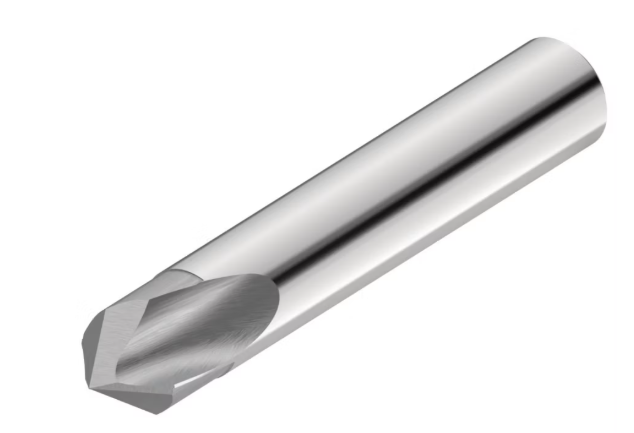
ดอกสว่านเจาะนำร่องเป็นเครื่องมือตัดเฉพาะทางที่ออกแบบมาเพื่อสร้างจุดเริ่มต้นที่แม่นยำก่อนที่ดอกสว่านเกลียวจะเจาะเข้าไปในวัสดุ จุดประสงค์หลักคือเพื่อป้องกันการเบี่ยงเบนของดอกสว่านและเพิ่มความแม่นยำในการกำหนดตำแหน่งรูในระหว่างการเจาะด้วยเครื่อง CNC
แตกต่างจากดอกสว่านทั่วไป ดอกสว่านเจาะจุดมีขนาดสั้นและแข็งแรงมาก โครงสร้างที่แข็งแรงนี้ช่วยลดการโก่งตัวของเครื่องมือและช่วยให้ช่างสามารถสร้างตำแหน่งรูที่มีความแม่นยำสูง โดยเฉพาะอย่างยิ่งในการใช้งานที่ต้องการความแม่นยำสูง
การเจาะนำร่องจะสร้างรอยบุ๋มรูปกรวยตื้นๆ บนพื้นผิวชิ้นงานก่อนเริ่มการเจาะจริง รอยบุ๋มนี้จะช่วยนำทางดอกสว่านตัวถัดไปให้เข้าสู่ตำแหน่งที่ถูกต้อง และลดความเสี่ยงในการเจาะรูไม่แม่นยำ
การฝึกซ้อมแบบเฉพาะจุดมักใช้ใน:
ดอกสว่านเจาะจุดมีรูปทรงมุมเดียวและแกนหนา ความยาวโดยรวมที่สั้นกว่าทำให้มีความแข็งแรงทนทานเป็นพิเศษเมื่อเทียบกับดอกสว่านมาตรฐานหรือดอกสว่านเจาะกลาง
มุมเจาะจุดทั่วไป ได้แก่:
โดยปกติแล้วมุมของดอกสว่านเจาะจุดจะถูกเลือกโดยพิจารณาจากมุมของดอกสว่านที่ใช้เจาะตามมา ในงานกลึงส่วนใหญ่ มุมของดอกสว่านเจาะจุดควรเท่ากับหรือใหญ่กว่ามุมของดอกสว่านที่ใช้เจาะตามมาเล็กน้อย
คุณสมบัติ | คำอธิบาย |
โครงสร้างเครื่องมือ | สั้นและแข็ง |
เรขาคณิต | การออกแบบมุมเดียว |
มุมร่วม | 90°, 120°, 140° |
ความหนาของแกนกลาง | แกนหนาเพื่อความเสถียร |
วัตถุประสงค์หลัก | การกำหนดตำแหน่งสว่านที่แม่นยำ |
ความลึกโดยทั่วไป | ความลึกของการส่องจุดตื้น |
เมื่อดอกสว่านเจาะนำร่องสัมผัสกับพื้นผิววัสดุ มันจะสร้างร่องรูปทรงกรวยที่แม่นยำซึ่งช่วยนำทางดอกสว่านตัวถัดไป ป้องกันไม่ให้ดอกสว่านลื่นไถลไปบนชิ้นงานในระหว่างการสัมผัสครั้งแรก หากไม่มีการเจาะนำร่องที่เหมาะสม ดอกสว่านอาจ:
ตัวดอกสว่านแบบแข็งช่วยให้การตัดมีความเสถียรแม้ในความเร็วรอบสูง ทำให้ดอกสว่านแบบแข็งเหมาะอย่างยิ่งสำหรับสภาพแวดล้อม CNC ที่ความแม่นยำในการทำซ้ำและการกำหนดตำแหน่งมีความสำคัญอย่างยิ่ง
ดอกสว่านเจาะจุดใช้กันอย่างแพร่หลายในอุตสาหกรรมที่ต้องการความแม่นยำสูง เนื่องจากช่วยปรับปรุงความสม่ำเสมอในการเจาะและลดข้อผิดพลาดในการกลึง
การเจาะจุดถูกนำมาใช้อย่างแพร่หลายใน เครื่องกัด CNC เพื่อสร้างตำแหน่งเริ่มต้นที่แม่นยำก่อนเริ่มกระบวนการเจาะ การทำงานของเครื่อง CNC ต้องการความคลาดเคลื่อนที่แคบ และการเจาะแบบจุดช่วยรักษาความสม่ำเสมอของตำแหน่งในชิ้นส่วนหลายชิ้น
ชิ้นส่วนอากาศยานมักต้องการการกำหนดตำแหน่งรูที่แม่นยำอย่างยิ่ง การเจาะแบบจุดช่วยลดการโก่งตัวของดอกสว่านและปรับปรุงความสม่ำเสมอในการกลึงชิ้นส่วนที่สำคัญ
ผู้ผลิตชิ้นส่วนยานยนต์ใช้ดอกสว่านเจาะจุดเพื่อเพิ่มความเร็วในการผลิตและความแม่นยำในการเจาะระหว่างการผลิตชิ้นส่วนจำนวนมาก
ช่างกลึงหลายคนยังใช้ดอกสว่านเจาะจุด 90° สำหรับการลบคมเล็กน้อย ซึ่งช่วยให้การเจาะจุดและการลบคมเสร็จสิ้นได้ในขั้นตอนเดียว ลดเวลาในการทำงานลง
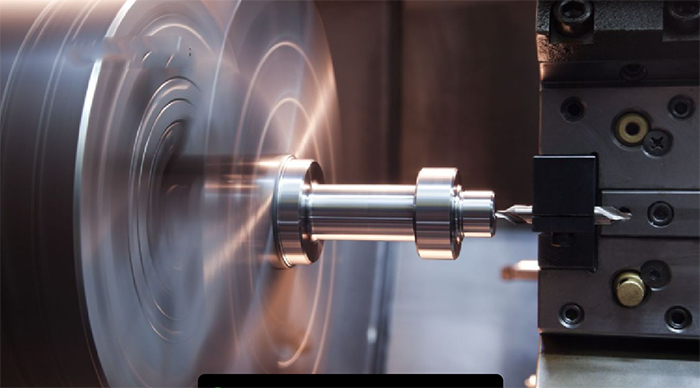
ดอกสว่านเจาะนำศูนย์เป็นเครื่องมือเฉพาะทางที่ออกแบบมาเพื่อใช้สร้างรูตรงกลางบนเครื่องกลึงเป็นหลัก รูตรงกลางเหล่านี้ทำหน้าที่รองรับชิ้นงานระหว่างศูนย์กลางในระหว่างการกลึง แม้ว่าช่างกลึงบางคนจะใช้ดอกสว่านเจาะนำศูนย์เพื่อกำหนดตำแหน่ง แต่เดิมแล้วดอกสว่านเหล่านี้ไม่ได้ออกแบบมาเพื่อการกำหนดตำแหน่งรูที่แม่นยำในเครื่องจักร CNC
ดอกสว่านเจาะรูศูนย์กลางเป็นเครื่องมือที่รวมทั้งดอกสว่านและดอกคว้านรู ใช้สำหรับเจาะรูศูนย์กลางที่มีความแม่นยำสูงสำหรับงานกลึง เครื่องมือนี้ประกอบด้วยส่วนตัดสองส่วน:
การออกแบบนี้สร้างรูตรงกลางซึ่งช่วยให้การจัดแนวและการรองรับที่เหมาะสมระหว่างการทำงานของเครื่องกลึง
ต่างจากดอกสว่านเจาะจุด ดอกสว่านเจาะนำศูนย์ใช้การออกแบบรูปทรงแบบขั้นบันได ปลายนำขนาดเล็กจะตัดก่อน ตามด้วยส่วนที่ใช้สำหรับลบคม ดอกสว่านเจาะนำศูนย์ส่วนใหญ่ใช้มุมรวมมาตรฐาน 60° เนื่องจากเข้ากันได้กับการกำหนดค่าศูนย์กลางเครื่องกลึงทั่วไป
คุณสมบัติ | คำอธิบาย |
โครงสร้างเครื่องมือ | รูปทรงเรขาคณิตแบบขั้นบันได |
การออกแบบปลาย | หัวนำร่อง + หัวเจาะลบคม |
มุมร่วม | 60° |
ความแข็งแกร่ง | ต่ำกว่าการเจาะจุด |
วัตถุประสงค์หลัก | รูตรงกลางเครื่องกลึง |
การใช้งานทั่วไป | การดำเนินการกลึง |
ดอกสว่านเจาะนำศูนย์สร้างรูที่ช่วยให้ชิ้นงานหมุนได้อย่างแม่นยำระหว่างจุดศูนย์กลางบนเครื่องกลึง ปลายนำร่องจะเริ่มการตัด ในขณะที่ส่วนลบคมจะสร้างมุมรองรับสำหรับจุดศูนย์กลางของเครื่องกลึง ดอกสว่านเจาะนำศูนย์มีปลายนำร่องที่บางกว่าดอกสว่านเจาะจุด และแตกหักได้ง่ายกว่าภายใต้แรงด้านข้างหรือแรงป้อนที่มากเกินไป
ดอกสว่านเจาะรูนำศูนย์ส่วนใหญ่ใช้ในงานกลึงและงานขึ้นรูปโลหะแบบดั้งเดิม
การดำเนินงานกลึง
ดอกสว่านเจาะนำศูนย์สร้างรูรองรับสำหรับเพลาและชิ้นส่วนทรงกระบอกระหว่างการกลึง
การกลึงเพลา
เพลาที่มีความยาวมากจำเป็นต้องมีตัวรองรับตรงกลางเพื่อป้องกันการสั่นสะเทือนและรักษาความเที่ยงตรงในระหว่างการกลึง
สภาพแวดล้อมการกลึงด้วยมือ
ในโรงงานกลึงแบบใช้เครื่องจักรทั่วไป ดอกสว่านเจาะรูตรงกลางยังคงใช้กันอย่างแพร่หลาย เนื่องจากเป็นเครื่องมือที่รวมการเจาะและการคว้านรูไว้ในชิ้นเดียว
การตั้งค่าเครื่องกลึงแบบดั้งเดิม
ดอกสว่านเจาะนำศูนย์ยังคงมีความสำคัญอย่างยิ่งสำหรับการเตรียมชิ้นงานที่จะนำไปกลึงขึ้นรูปตรงกลาง
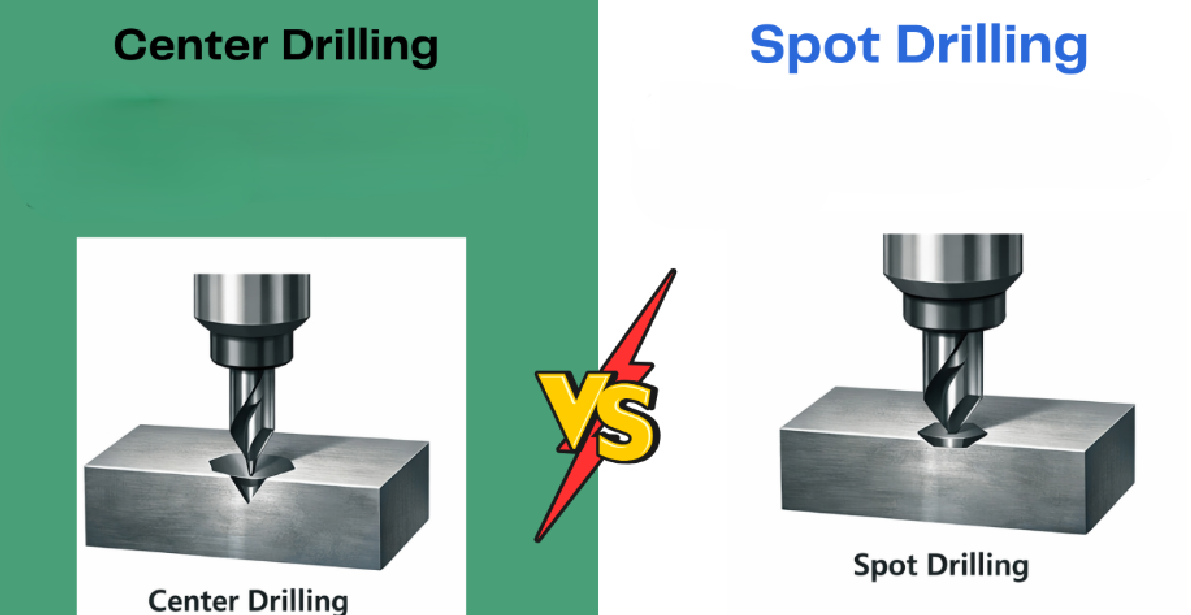
แม้ว่าดอกสว่านเจาะจุดและดอกสว่านเจาะนำศูนย์อาจดูคล้ายกัน แต่รูปทรง ความแข็งแรง การใช้งาน และประสิทธิภาพในการตัดเฉือนนั้นแตกต่างกันอย่างสิ้นเชิง
ความแตกต่างที่สำคัญที่สุดคือรูปทรงของเครื่องมือ ดอกสว่านเจาะจุดใช้การออกแบบมุมเดียวที่มีโครงสร้างแกนหนา ซึ่งช่วยเพิ่มความแข็งแกร่งและลดการโก่งงอของเครื่องมือ ในขณะที่ดอกสว่านเจาะศูนย์กลางใช้รูปทรงสองขั้นตอนที่มีส่วนนำบางและส่วนลบคม แม้ว่าจะใช้งานได้ดีกับศูนย์กลางเครื่องกลึง แต่การออกแบบนี้จะอ่อนแอลงในงานเจาะจุดด้วยเครื่อง CNC
ดอกสว่านเจาะจุดมีความแข็งแรงกว่ามากเนื่องจากตัวดอกสั้นและแกนหนา ในขณะที่ดอกสว่านเจาะนำศูนย์มีความแข็งแรงน้อยกว่าเพราะปลายดอกสว่านบางและเปราะบาง เมื่อได้รับแรงกดหรือแรงด้านข้างมาก ปลายดอกสว่านอาจบิ่นหรือหักได้ง่าย
คุณสมบัติ | เจาะจุด | การเจาะกลาง |
ความหนาของแกนกลาง | หนา | บาง |
ความแข็งแกร่งของเครื่องมือ | สูงมาก | ปานกลาง |
ความต้านทานการสั่นสะเทือน | ยอดเยี่ยม | ต่ำกว่า |
ความเสี่ยงต่อการแตกหัก | ต่ำ | สูงกว่า |
ความเสถียรของ CNC | ยอดเยี่ยม | ปานกลาง |
ดอกสว่านเจาะนำให้ความแม่นยำในการกำหนดตำแหน่งรูที่ดีกว่า เนื่องจากสร้างจุดเริ่มต้นที่มั่นคงสำหรับดอกสว่านถัดไป ดอกสว่านเจาะนำมีความแม่นยำน้อยกว่าสำหรับการเจาะนำ เนื่องจากปลายดอกสว่านอาจงอได้ก่อนที่ดอกสว่านจะเข้าจับอย่างถูกต้อง ในการตัดเฉือนด้วยเครื่อง CNC แม้แต่การโก่งงอเพียงเล็กน้อยก็อาจทำให้เกิดข้อผิดพลาดในการกำหนดตำแหน่งที่เห็นได้ชัด โดยเฉพาะอย่างยิ่งในการใช้งานที่ต้องการความแม่นยำสูง
ดอกสว่านเจาะจุดโดยทั่วไปจะมีอายุการใช้งานยาวนานกว่า เนื่องจากมีความแข็งแรงกว่าและออกแบบมาสำหรับการใช้งาน CNC ความเร็วสูง ดอกสว่านเจาะจุดคาร์ไบด์สามารถรักษาประสิทธิภาพการตัดได้แม้ในขณะที่ทำการตัดเฉือนวัสดุที่แข็งกว่า เช่น:
ดอกสว่านเจาะนำศูนย์สึกหรอเร็วกว่าดอกสว่านทั่วไป เนื่องจากปลายดอกสว่านจะได้รับแรงตัดที่เข้มข้นในระหว่างการใช้งาน
แม้แต่ช่างเครื่องที่มีประสบการณ์ก็ยังอาจทำผิดพลาดในการเลือกหรือใช้งานเครื่องมือเจาะนำและเจาะศูนย์กลางได้ ข้อผิดพลาดเหล่านี้อาจลดความแม่นยำของรูเจาะ ลดอายุการใช้งานของเครื่องมือ และเพิ่มต้นทุนการผลิต การทำความเข้าใจปัญหาที่พบบ่อยที่สุดจะช่วยปรับปรุงความสม่ำเสมอในการทำงานของเครื่องจักร CNC
หนึ่งในข้อผิดพลาดที่ร้ายแรงที่สุดคือการใช้ดอกสว่านนำศูนย์สำหรับการเจาะรูที่มีความแม่นยำสูง แม้ว่าดอกสว่านนำศูนย์จะสามารถสร้างจุดเริ่มต้นได้ แต่โดยหลักแล้วมันถูกออกแบบมาเพื่อเจาะรูตรงกลางของเครื่องกลึง ปลายดอกสว่านที่บางและเปราะบางนั้นสามารถงอหรือหักได้ภายใต้แรงด้านข้าง ในเครื่องจักร CNC สิ่งนี้มักนำไปสู่:
การเจาะจุดนั้นมีความแข็งแรงกว่าและให้ความแม่นยำในการวางตำแหน่งที่ดีกว่า เนื่องจากมีรูปทรงที่สั้นและหนา
อีกปัญหาที่พบบ่อยคือ มุมของดอกสว่านเจาะจุดไม่ตรงกับมุมของดอกสว่านเจาะเกลียว หากมุมของดอกสว่านเจาะจุดเล็กกว่ามุมของปลายดอกสว่าน คมตัดด้านนอกของดอกสว่านจะสัมผัสกับวัสดุก่อนถึงตรงกลาง ทำให้เกิดแรงกระแทกและอาจทำให้ดอกสว่านคาร์ไบด์บิ่นได้
มุมดอกสว่านบิด | มุมเจาะจุดที่แนะนำ |
118° | เจาะจุด 120° |
135° | เจาะจุด 140° |
ดอกสว่านลบคม 90° | เจาะจุด 90° |
การใช้มุมเจาะจุดเท่ากับหรือใหญ่กว่ามุมเจาะเกลียวเล็กน้อยจะช่วยเพิ่มความแม่นยำในการเจาะรูและลดความเค้นในการตัด
ผู้ใช้งานหลายรายตั้งโปรแกรมความลึกในการเจาะนำร่องผิดพลาด โดยตั้งโปรแกรมให้ลึกเกินไป การเจาะนำร่องนั้นจำเป็นต้องสร้างการยึดเกาะเพียงพอที่จะนำทางดอกสว่านถัดไปเท่านั้น ความลึกที่มากเกินไปอาจทำให้เกิดปัญหาดังต่อไปนี้:
สำหรับการใช้งานส่วนใหญ่ การยิงเลเซอร์ตื้นๆ ระหว่าง 0.3 มม. ถึง 1.5 มม. ก็เพียงพอแล้ว
ดอกสว่านยาวมีความยืดหยุ่นมากกว่าและมีแนวโน้มที่จะเบี่ยงเบนระหว่างการเจาะครั้งแรก การพยายามเจาะวัสดุแข็งโดยตรงโดยไม่นำดอกสว่านไปแตะก่อน มักทำให้เกิดข้อผิดพลาดในการวางตำแหน่ง เมื่อใช้ดอกสว่านขนาดมาตรฐาน:
ดอกสว่านสั้นหรือดอกสว่านสำหรับเครื่องกลึง มักต้องการการเล็งจุดน้อยกว่า เนื่องจากมีความแข็งแรงสูงกว่า
การปฏิบัติตามหลักการกลึงที่ได้รับการพิสูจน์แล้ว จะช่วยปรับปรุงคุณภาพของรูเจาะ ความสม่ำเสมอ และอายุการใช้งานของเครื่องมือ
ดอกสว่านเจาะจุดคาร์ไบด์มีคุณสมบัติดังนี้:
มีประสิทธิภาพเป็นพิเศษในกรณี:
สำหรับวัสดุที่อ่อนกว่า เช่น อลูมิเนียม ดอกสว่านเจาะจุดความเร็วสูงที่ทำจากเหล็กก็ยังสามารถใช้งานได้อย่างมีประสิทธิภาพ
แม้แต่ดอกสว่านเจาะจุดที่ดีที่สุดก็ไม่สามารถทำงานได้อย่างแม่นยำหากแกนหมุนเบี่ยงเบนมากเกินไป เพื่อเพิ่มความแม่นยำ:
ค่าความคลาดเคลื่อนต่ำช่วยรักษาความแม่นยำในการจัดศูนย์กลางและยืดอายุการใช้งานของเครื่องมือ
การตั้งค่าความเร็วรอบแกนหมุนและอัตราการป้อนที่ไม่ถูกต้อง เป็นสาเหตุหลักที่ทำให้เครื่องมือเสียหายก่อนกำหนด
วัสดุ | ความเร็วพื้นผิว | อัตราการป้อน |
เหล็กกล้าอ่อน | 60–120 เมตร/นาที | 0.03–0.08 มม./รอบ |
สแตนเลสสตีล | 40–80 เมตร/นาที | 0.02–0.06 มม./รอบ |
อะลูมิเนียม | 120–250 เมตร/นาที | 0.05–0.12 มม./รอบ |
พารามิเตอร์ที่แท้จริงขึ้นอยู่กับวัสดุของเครื่องมือ การเคลือบผิว ความแข็ง และสภาวะของสารหล่อเย็น
การใช้น้ำยาหล่อเย็นอย่างถูกวิธีช่วยลด:
โดยทั่วไปแล้ว แนะนำให้ใช้สารหล่อเย็นแบบไหลท่วมสำหรับงานที่มีคราบฝังลึกหรือวัสดุแข็ง ในขณะที่สารหล่อเย็นแบบละอองอาจเพียงพอสำหรับการกลึงอลูมิเนียม
การเลือกใช้ดอกสว่านเจาะจุดหรือดอกสว่านเจาะนำศูนย์นั้น ขึ้นอยู่กับลักษณะการใช้งานของชิ้นงานเป็นหลัก
สำหรับงานเจาะด้วยเครื่อง CNC สมัยใหม่ส่วนใหญ่ ดอกสว่านแบบจุดถือเป็นตัวเลือกที่ดีกว่า เนื่องจากมีความแข็งแรงและสามารถกำหนดตำแหน่งซ้ำได้อย่างแม่นยำ
ดอกสว่านเจาะนำศูนย์สามารถใช้แทนดอกสว่านเจาะจุดได้หรือไม่?
ดอกสว่านเจาะนำศูนย์บางครั้งอาจใช้สำหรับการกำหนดตำแหน่งเบื้องต้นได้ แต่ไม่เหมาะสำหรับการเจาะด้วยเครื่อง CNC ที่ต้องการความแม่นยำสูง ดอกสว่านเจาะจุดให้ความแข็งแรงและความแม่นยำในการกำหนดตำแหน่งที่ดีกว่า
มุมเจาะจุดที่ดีที่สุดคือมุมไหน?
มุมเจาะจุดที่ดีที่สุดมักจะเท่ากับหรือใหญ่กว่ามุมเจาะเกลียวเล็กน้อย ตัวเลือกที่นิยมใช้คือ 120° และ 140°
เหตุใดดอกสว่านจึงเบี่ยงเบนระหว่างการตัดเฉือน?
การเบี่ยงเบนของดอกสว่านเกิดขึ้นเนื่องจากการนำทางเริ่มต้นที่ไม่ดี พื้นผิวที่ไม่เรียบ รูปทรงดอกสว่านที่ไม่แน่นอน หรือเทคนิคการกำหนดตำแหน่งที่ไม่ถูกต้อง
การเจาะแบบเฉพาะจุดจำเป็นสำหรับทุกการเจาะหรือไม่?
ไม่เลย การเจาะจุดมีความสำคัญที่สุดสำหรับการใช้งานที่ต้องการความแม่นยำสูง วัสดุแข็ง หรือเมื่อใช้ดอกสว่านยาวและยืดหยุ่นได้
ความลึกในการมองเห็นที่เหมาะสมคือเท่าไหร่?
โดยทั่วไป การเจาะเฉพาะจุดส่วนใหญ่ต้องการความลึกเพียงตื้นๆ ระหว่าง 0.3 มม. ถึง 1.5 มม. ขึ้นอยู่กับขนาดเส้นผ่านศูนย์กลางของดอกสว่านและการใช้งาน
ดอกสว่านเจาะนำและดอกสว่านเจาะนำมีจุดประสงค์การใช้งานที่แตกต่างกันในงานกลึง ดอกสว่านเจาะนำใช้ในงาน CNC เพื่อการกำหนดตำแหน่งรูที่แม่นยำและป้องกันการเบี่ยงเบนของดอกสว่าน ในขณะที่ดอกสว่านเจาะนำส่วนใหญ่ใช้ในงานกลึงเพื่อสร้างรูตรงกลางสำหรับการรองรับชิ้นงานอย่างเหมาะสม การเลือกเครื่องมือที่เหมาะสมมีความสำคัญต่อความแม่นยำและอายุการใช้งานของเครื่องมือ
สำหรับเครื่องจักร CNC ที่เชื่อถือได้และโซลูชันการตัดเฉือนที่แม่นยำซีเอ็นซี ยางเซ่น จัดหาอุปกรณ์ที่ทันสมัยเพื่อเพิ่มประสิทธิภาพและคุณภาพการผลิต ติดต่อเราวันนี้ เพื่อค้นหาทางออกที่เหมาะสมกับความต้องการของคุณ