ทำไมบางคนถึงทำได้ ศูนย์เครื่องจักรกลแนวตั้ง รักษาความแม่นยำได้อย่างคงที่นานหลายปี ในขณะที่บางยี่ห้อสูญเสียความแม่นยำอย่างรวดเร็ว?
ปัญหาต่างๆ เช่น ความผิดพลาดด้านมิติ ผิวงานไม่เรียบ และการตัดเฉือนที่ไม่เสถียร มักไม่ได้เกิดจากสาเหตุเพียงอย่างเดียว ความแตกต่างที่แท้จริงมักมาจากส่วนประกอบหลัก โครงสร้าง คุณภาพการประกอบ และกระบวนการปรับเทียบของเครื่องจักร
ในบทความนี้ เราจะมาดูปัจจัยสำคัญ 5 ประการที่ส่งผลโดยตรงต่อความแม่นยำและความเสถียรในการทำงานระยะยาวของเครื่องจักรกลซีเอ็นซีแนวตั้ง
บอลสกรูและรางนำเชิงเส้นเป็นส่วนประกอบที่สำคัญที่สุดบางส่วนที่มีผลต่อความแม่นยำของเครื่องจักรกลแนวตั้ง ส่วนประกอบเหล่านี้กำหนดความแม่นยำในการกำหนดตำแหน่ง ความเสถียรของการเคลื่อนที่ และความสม่ำเสมอในการตัดเฉือนในระยะยาวโดยตรง
บอลสกรูทำหน้าที่ควบคุมการเคลื่อนที่ของแต่ละแกนของเครื่องจักร ความแม่นยำของบอลสกรูส่งผลโดยตรงต่อความถูกต้องและความสามารถในการทำซ้ำของการกำหนดตำแหน่ง
สกรูบอลคุณภาพสูงให้ประโยชน์ดังนี้:
หากคุณภาพของบอลสกรูไม่ดี เครื่องจักรอาจเกิดความคลาดเคลื่อนทางมิติ ประสิทธิภาพการตัดไม่คงที่ และความแม่นยำในการตัดเฉือนลดลงเมื่อเวลาผ่านไป
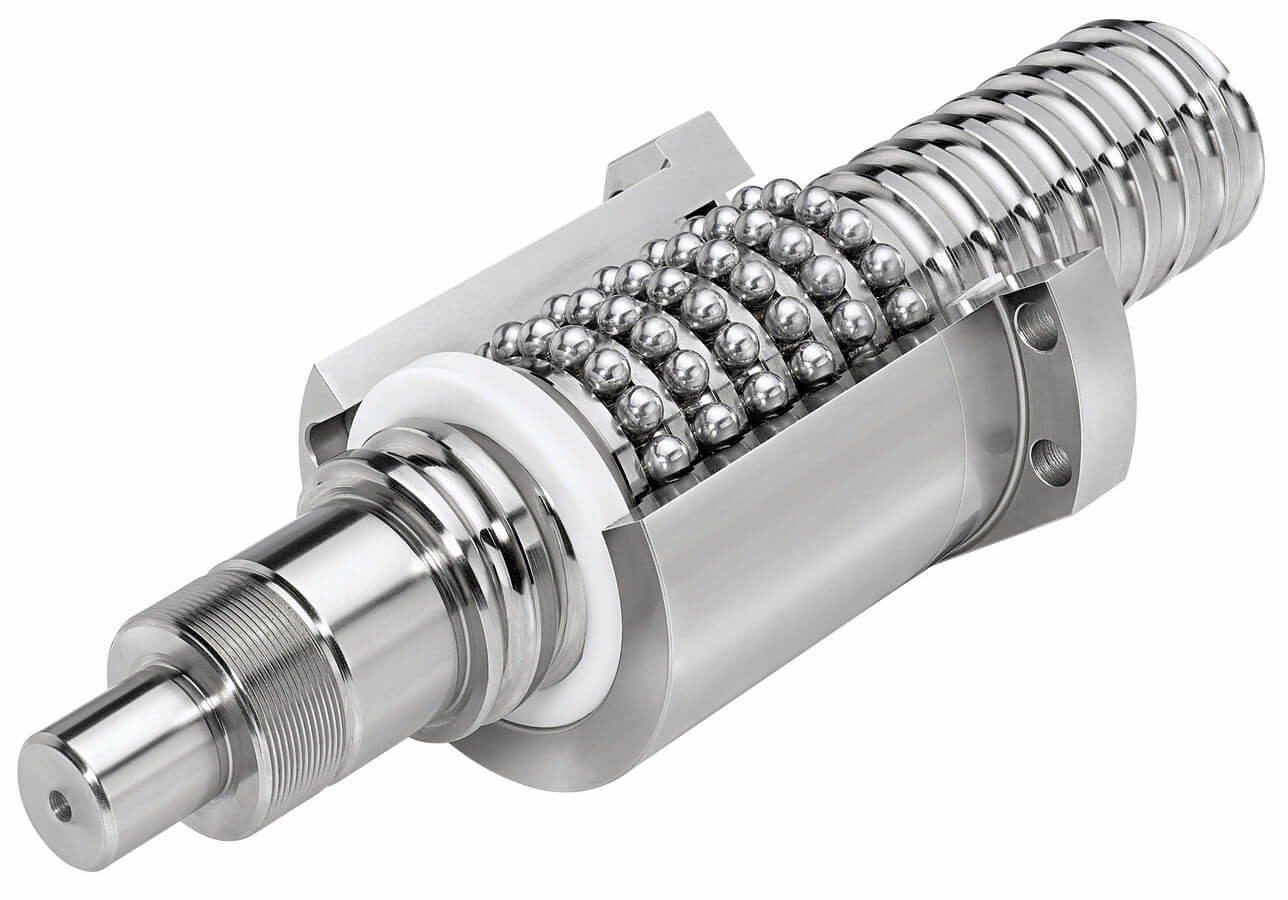
รางนำทางเชิงเส้นมีผลต่อความแข็งแกร่งและความราบรื่นในการเคลื่อนที่ของเครื่องจักร ระบบรางนำทางที่มั่นคงช่วยลดการสั่นสะเทือนและปรับปรุงความสม่ำเสมอในการตัดเฉือน
เมื่อเปรียบเทียบกับระบบนำทางคุณภาพต่ำ ระบบนำทางเชิงเส้นความแม่นยำสูงมีข้อดีดังนี้:
โครงสร้างการสัมผัสระหว่างรางนำและตัวเลื่อนก็มีความสำคัญเช่นกัน การออกแบบการสัมผัสที่ดีกว่าสามารถปรับปรุงเสถียรภาพของเครื่องจักรและการรักษาความแม่นยำได้อย่างมาก
หลายคนเชื่อว่าความแม่นยำของเครื่องจักรขึ้นอยู่กับทักษะการประกอบเป็นหลัก แต่คุณภาพของฮาร์ดแวร์ต่างหากที่เป็นรากฐานสำคัญ
แม้แต่ช่างเทคนิคผู้มีประสบการณ์ก็ไม่สามารถบรรลุความแม่นยำสูงได้หากใช้บอลสกรูคุณภาพต่ำหรือรางนำเชิงเส้นที่ไม่มั่นคง ฝีมือการผลิตที่ดีสามารถช่วยเพิ่มประสิทธิภาพได้ แต่ไม่สามารถชดเชยส่วนประกอบที่ด้อยคุณภาพได้อย่างเต็มที่
ด้วยเหตุนี้ เครื่องจักรกลซีเอ็นซีแนวตั้งความแม่นยำสูงจึงมักใช้ระบบส่งกำลังและระบบนำทางคุณภาพสูง เพื่อรักษาความแม่นยำที่คงที่สำหรับการผลิตในระยะยาว
โครงสร้างของเครื่องจักรส่งผลโดยตรงต่อเสถียรภาพในการตัดเฉือนและความแม่นยำในระยะยาว แม้จะมีชิ้นส่วนที่ดี แต่โครงสร้างเครื่องจักรที่อ่อนแออาจก่อให้เกิดการสั่นสะเทือน ความคลาดเคลื่อนทางมิติ และประสิทธิภาพการตัดที่ไม่เสถียรได้
โครงสร้างเครื่องจักรที่แข็งแรงช่วยลดการสั่นสะเทือนระหว่างการตัดและทำให้การตัดเฉือนมีความเสถียรมากขึ้น โดยเฉพาะอย่างยิ่งในระหว่างการตัดด้วยความเร็วสูงหรือการตัดหนัก
ภาวะกล้ามเนื้อไม่แข็งแรงมักนำไปสู่:
เหล็กหล่อคุณภาพสูงช่วยดูดซับแรงสั่นสะเทือนและมีความเสถียรทางโครงสร้างที่ดีกว่า ในขณะเดียวกัน โครงสร้างเครื่องจักรที่มั่นคงยังช่วยลดผลกระทบจากการเสียรูปเนื่องจากความร้อนที่เกิดจากการใช้งานเป็นเวลานานได้อีกด้วย
ด้วยเหตุนี้ เครื่องจักรกลซีเอ็นซีแนวตั้งความแม่นยำสูงจึงมักใช้ฐานเครื่องที่แข็งแรงกว่าและโครงสร้างที่เสริมความแข็งแรงเป็นพิเศษ
ชิ้นส่วนคุณภาพสูงเพียงอย่างเดียวไม่สามารถรับประกันความแม่นยำสูงของเครื่องจักรกลซีเอ็นซีแนวตั้งได้ ฝีมือการประกอบก็มีบทบาทสำคัญอย่างยิ่งต่อความเสถียรของการตัดเฉือนและความแม่นยำในระยะยาวด้วย
ในระหว่างการประกอบเครื่องจักร ชิ้นส่วนทุกชิ้นจะต้องได้รับการจัดวางและปรับแต่งอย่างระมัดระวัง แม้แต่ข้อผิดพลาดเล็กน้อยในการประกอบก็อาจส่งผลต่อความแม่นยำในการกำหนดตำแหน่ง ความสม่ำเสมอ และประสิทธิภาพโดยรวมของการตัดเฉือนด้วยเครื่อง CNC
สำหรับเครื่องจักรกลซีเอ็นซีแนวตั้งที่มีความแม่นยำสูง คุณภาพการประกอบจะส่งผลโดยตรงต่อ:
ช่างเทคนิคที่มีประสบการณ์มักใช้การขูดและการปรับแต่งด้วยมือเพื่อปรับปรุงความแม่นยำในการสัมผัสระหว่างชิ้นส่วนของเครื่องจักร
เมื่อเปรียบเทียบกับการประกอบแบบหยาบ การขูดผิวอย่างแม่นยำจะช่วยได้ดังนี้:
แม้จะมีเทคโนโลยีการผลิต CNC ที่ทันสมัย แต่ทักษะฝีมือช่างก็ยังคงเป็นส่วนสำคัญในการสร้างเครื่องจักรกลแนวตั้งที่มีความแม่นยำสูง
แม้แต่เครื่องจักรกลแนวตั้งคุณภาพสูงก็ยังคงต้องการการปรับเทียบที่แม่นยำเพื่อให้ได้ความแม่นยำในการตัดเฉือนที่เสถียร
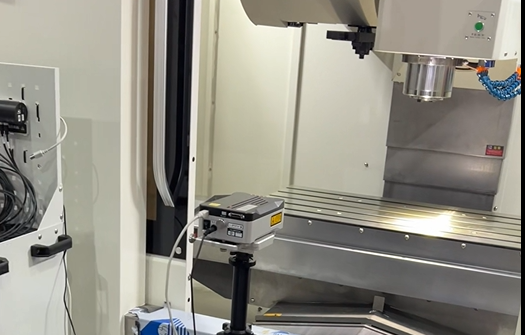
ผู้ผลิตใช้เครื่องวัดการรบกวนด้วยเลเซอร์เพื่อวัดการเคลื่อนที่ของแกนและการกำหนดตำแหน่งที่แม่นยำ กระบวนการนี้ช่วยตรวจจับข้อผิดพลาดในการเคลื่อนที่เล็กน้อยที่ไม่สามารถมองเห็นได้ในระหว่างการผลิตตามปกติ
การทดสอบด้วยเลเซอร์มักใช้เพื่อตรวจสอบ:
หลังจากทำการทดสอบแล้ว ระบบควบคุมเครื่องจักรสามารถใช้การชดเชยความแม่นยำเพื่อลดข้อผิดพลาดในการกำหนดตำแหน่งและปรับปรุงความสม่ำเสมอในการตัดเฉือนได้
หลังจากชดเชยแล้ว จะมีความแม่นยำสูงบางส่วน เครื่องจักร VMC สามารถกำหนดตำแหน่งได้อย่างแม่นยำประมาณ 6 ไมโครเมตร และทำซ้ำได้อย่างแม่นยำภายใน 1–3 ไมโครเมตร
ความแม่นยำสูงของเครื่องจักรกลซีเอ็นซีแนวตั้งไม่ได้ขึ้นอยู่กับฮาร์ดแวร์หรือการสอบเทียบเพียงอย่างเดียว การควบคุมคุณภาพที่สม่ำเสมอและมาตรฐานการผลิตก็มีความสำคัญไม่แพ้กัน
เครื่องจักรกลซีเอ็นซีแนวตั้งความแม่นยำสูงต้องการการตรวจสอบอย่างเข้มงวดตลอดกระบวนการผลิต ตั้งแต่การหล่อและการประกอบเครื่องจักร ไปจนถึงการทดสอบด้วยเลเซอร์ขั้นสุดท้าย ทุกขั้นตอนล้วนส่งผลต่อความแม่นยำของชิ้นงานที่ได้
การควบคุมคุณภาพที่สม่ำเสมอช่วยให้มั่นใจได้ว่า:
ผู้ผลิตบางรายลดต้นทุนโดยการใช้ชิ้นส่วนคุณภาพต่ำกว่าหรือลดความซับซ้อนของกระบวนการประกอบ แม้ว่าวิธีนี้อาจทำให้ราคาเครื่องจักรลดลง แต่ก็อาจลดความแม่นยำในการผลิต ความแข็งแรง และความเสถียรในระยะยาวได้เช่นกัน
เชื่อถือได้ ผู้ผลิตเครื่องจักร CNC ควรสร้างสมดุลระหว่างต้นทุน คุณภาพ และประสิทธิภาพในระยะยาว แทนที่จะมุ่งเน้นเฉพาะการแข่งขันด้านราคาในระยะสั้น
การเลือกซื้อเครื่องจักรกลซีเอ็นซีแนวตั้งไม่ใช่แค่การตรวจสอบคุณสมบัติทางเทคนิคเท่านั้น ความแม่นยำในการผลิตในระยะยาวขึ้นอยู่กับโครงสร้างของเครื่องจักร ส่วนประกอบหลัก และคุณภาพการผลิตของเครื่องจักรนั้นๆ
คุณภาพของบอลสกรู รางนำเชิงเส้น ระบบแกนหมุน และชิ้นส่วนหล่อของเครื่องจักร มีผลโดยตรงต่อความแม่นยำและความเสถียรในการตัดเฉือนของเครื่อง VMC
ชิ้นส่วนคุณภาพสูงมักมีคุณสมบัติดังต่อไปนี้:
อย่าพึ่งพาเฉพาะข้อมูลจำเพาะในแคตตาล็อกเท่านั้น ผู้ผลิตเครื่องจักร CNC ที่น่าเชื่อถือควรให้ข้อมูลการทดสอบจริง เช่น:
รายงานเหล่านี้สะท้อนให้เห็นถึงประสิทธิภาพที่แท้จริงของเครื่องจักรกลซีเอ็นซีแนวตั้งความแม่นยำสูงได้ดียิ่งขึ้น
ความแม่นยำของเครื่องจักรยังขึ้นอยู่กับฝีมือการประกอบและมาตรฐานการควบคุมคุณภาพด้วย ผู้ผลิตที่มีกระบวนการประกอบที่เข้มงวดและระบบการตรวจสอบที่แม่นยำมีแนวโน้มที่จะส่งมอบประสิทธิภาพการตัดเฉือนที่เสถียรในระยะยาวได้มากกว่า
ระดับความแม่นยำที่เหมาะสมสำหรับเครื่องจักรกลซีเอ็นซีแนวตั้งคือเท่าใด?
สำหรับเครื่องจักรกลซีเอ็นซีแนวตั้งที่มีความแม่นยำสูง ความแม่นยำในการกำหนดตำแหน่งโดยทั่วไปจะอยู่ที่ประมาณ 6 ไมโครเมตร ในขณะที่ความแม่นยำในการกำหนดตำแหน่งซ้ำมักอยู่ในช่วง 1–3 ไมโครเมตร ความแม่นยำที่แท้จริงอาจแตกต่างกันไปขึ้นอยู่กับการกำหนดค่าเครื่องจักรและข้อกำหนดของแอปพลิเคชัน
ปัจจัยใดที่ส่งผลต่อความแม่นยำของ VMC มากที่สุด?
ปัจจัยหลายอย่างส่งผลต่อความแม่นยำของเครื่องกัด CNC (VMC) รวมถึงบอลสกรู รางนำเชิงเส้น ความแข็งแกร่งของเครื่องจักร ฝีมือการประกอบ และการปรับเทียบเลเซอร์ คุณภาพที่ต่ำในด้านใดด้านหนึ่งเหล่านี้สามารถลดความเสถียรและความแม่นยำในการตัดเฉือนได้
เหตุใดบอลสกรูจึงมีความสำคัญในเครื่องกัดเซาะแนวตั้ง (VMC)?
บอลสกรูควบคุมการเคลื่อนที่ของแกนและการกำหนดตำแหน่งที่แม่นยำโดยตรง บอลสกรูคุณภาพสูงช่วยลดการคลายตัว ปรับปรุงความสามารถในการทำซ้ำ และรักษาประสิทธิภาพการตัดเฉือนที่เสถียรตลอดเวลา
การเสียรูปเนื่องจากความร้อนส่งผลต่อความแม่นยำในการกลึงอย่างไร?
ในระหว่างรอบการตัดเฉือนที่ยาวนาน ความร้อนจากแกนหมุน กระบวนการตัด และการเคลื่อนที่ของแกน อาจทำให้เครื่องจักรขยายตัว การเสียรูปจากความร้อนนี้อาจนำไปสู่ข้อผิดพลาดด้านมิติและผลลัพธ์การตัดเฉือนที่ไม่เสถียร
ผู้ใช้จะตรวจสอบความแม่นยำที่แท้จริงของเครื่อง CNC ได้อย่างไร?
ผู้ใช้สามารถขอรายงานการทดสอบด้วยเลเซอร์อินเตอร์เฟอโรเมตร ข้อมูลความแม่นยำในการกำหนดตำแหน่ง ผลการกำหนดตำแหน่งซ้ำ และตัวอย่างชิ้นงานจริงจากผู้ผลิตเครื่องจักร CNC ก่อนทำการซื้อได้
ความแม่นยำของเครื่องจักรกลซีเอ็นซีแนวตั้งไม่ได้ขึ้นอยู่กับเพียงแค่ข้อกำหนดทางเทคนิคเท่านั้น ชิ้นส่วนคุณภาพสูง โครงสร้างเครื่องจักรที่มั่นคง การประกอบที่แม่นยำ และการปรับเทียบด้วยเลเซอร์ ล้วนมีบทบาทสำคัญต่อประสิทธิภาพการทำงานในระยะยาว
การเลือกเครื่องกัดเซาะแนวตั้ง (VMC) ที่เหมาะสมนั้น ไม่ได้ขึ้นอยู่กับราคาเครื่องจักรเพียงอย่างเดียว แต่ยังขึ้นอยู่กับความเสถียรในการทำงาน ความสม่ำเสมอ และความน่าเชื่อถือในระยะยาวในสภาพแวดล้อมการผลิตจริงด้วย
หากคุณกำลังมองหาเครื่องจักรกลแนวตั้งความแม่นยำสูงสำหรับการตัดเฉือนที่เสถียรและมีประสิทธิภาพ การเลือกผู้ผลิตที่มีประสบการณ์ด้านการประกอบที่แข็งแกร่งและการควบคุมคุณภาพที่เข้มงวดจะสร้างความแตกต่างอย่างมากต่อผลลัพธ์การผลิตของคุณ