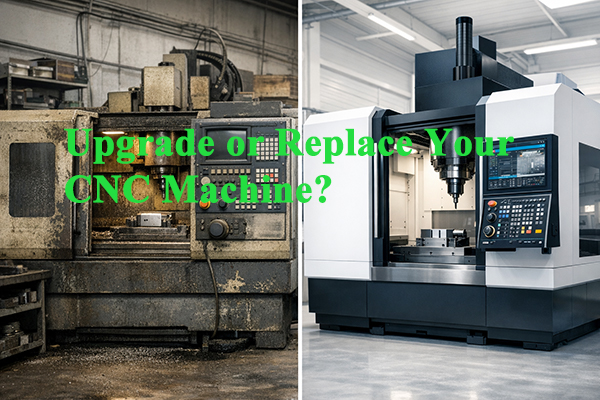
เครื่องจักร CNC ของคุณทำงานได้ไม่เหมือนเดิมอีกต่อไปแล้วใช่หรือไม่?
การผลิตที่ช้าลง ความแม่นยำที่ไม่สม่ำเสมอ และต้นทุนการบำรุงรักษาที่สูงขึ้น เป็นสัญญาณทั่วไปที่บ่งชี้ว่าจำเป็นต้องมีการเปลี่ยนแปลง
แต่คำถามที่แท้จริงคือ:
อัปเกรดเครื่องเดิมของคุณ หรือเปลี่ยนเป็นเครื่องใหม่ดี?
ในคู่มือนี้ เราจะช่วยให้คุณเข้าใจทั้งสองตัวเลือกได้อย่างรวดเร็ว และเลือกสิ่งที่เหมาะสมที่สุดสำหรับการผลิตของคุณ
ก่อนตัดสินใจ ควรทำความเข้าใจก่อนว่า “การอัปเกรด” และ “การเปลี่ยนใหม่” นั้นหมายถึงอะไรกันแน่
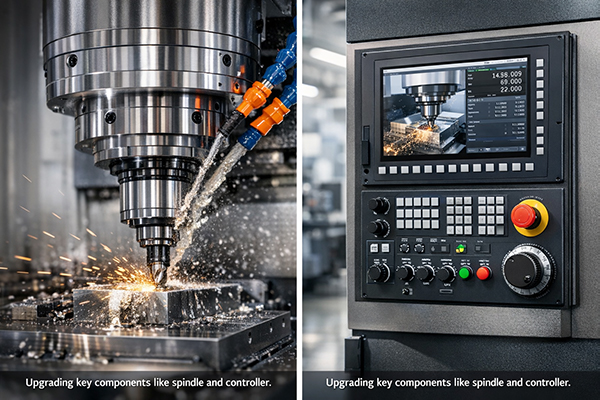
การอัปเกรดหมายถึงการปรับปรุงสิ่งที่มีอยู่เดิม ศูนย์เครื่องจักรกลซีเอ็นซี โดยการเปลี่ยนหรือเพิ่มส่วนประกอบสำคัญ เช่น แกนหมุน ตัวควบคุม หรือระบบเซอร์โว
ช่วยเพิ่มประสิทธิภาพและยืดอายุการใช้งานของเครื่องจักร โดยไม่ต้องเปลี่ยนแปลงโครงสร้างโดยรวมของเครื่องจักร
การเปลี่ยนใหม่หมายถึงการลงทุนในเครื่องจักร CNC รุ่นใหม่ทั้งหมดที่มีโครงสร้าง ระบบ และความสามารถใหม่ทั้งหมด
มันมอบประสิทธิภาพที่ได้รับการอัปเกรดอย่างเต็มรูปแบบ รวมถึงความแม่นยำที่สูงขึ้น ประสิทธิภาพที่ดีขึ้น และรองรับระบบอัตโนมัติสมัยใหม่
เมื่อเวลาผ่านไป แม้แต่เครื่องจักร CNC คุณภาพสูงก็จะเริ่มแสดงสัญญาณของประสิทธิภาพที่ลดลง
ประเด็นสำคัญคือการรู้ว่าปัญหาเหล่านี้สามารถแก้ไขได้ด้วยการอัปเกรดหรือไม่ หรือถึงเวลาที่จะต้องเปลี่ยนใหม่ทั้งหมดแล้ว
ต่อไปนี้คือสัญญาณเตือนที่พบบ่อยที่สุดที่คุณควรระวัง:
หากเครื่องจักรของคุณไม่สามารถผลิตได้ตรงตามข้อกำหนดด้านความคลาดเคลื่อนอย่างสม่ำเสมออีกต่อไป นั่นเป็นสัญญาณอันตรายอย่างยิ่ง
คุณอาจสังเกตเห็น:
ความคลาดเคลื่อนเชิงมิติเพิ่มขึ้น
พื้นผิวไม่เรียบ
อัตราการทำงานซ้ำหรือของเสียกำลังเพิ่มสูงขึ้น
ปัญหาความแม่นยำเล็กน้อย → อาจแก้ไขได้ด้วยการอัปเกรด
ความแม่นยำลดลงอย่างต่อเนื่อง → อาจต้องเปลี่ยนใหม่
การหยุดทำงานของเครื่องจักรโดยไม่คาดคิดอาจทำให้ตารางการผลิตทั้งหมดของคุณหยุดชะงักได้
อาการทั่วไปได้แก่:
สัญญาณเตือนซ้ำๆ หรือข้อผิดพลาดของระบบ
ความเสียหายของชิ้นส่วน (เซอร์โว, แกนหมุน, ตัวควบคุม)
เพิ่มความถี่ในการบำรุงรักษา
หากเครื่องจักรหยุดทำงานบ่อยครั้ง แสดงว่าเครื่องจักรนั้นไม่น่าเชื่อถืออีกต่อไป และเวลาการผลิตที่สูญเสียไปอาจมีค่าใช้จ่ายมากกว่าการซื้อเครื่องจักรใหม่
หากเครื่องจักรของคุณทำงานได้ไม่ทันกับความต้องการในการผลิต นั่นจะจำกัดการเติบโตของธุรกิจของคุณ
คุณอาจพบอาการดังต่อไปนี้:
รอบการตัดเฉือนที่ยาวนาน
เวลาในการเปลี่ยนเครื่องมือช้า
จำเป็นต้องมีการแทรกแซงด้วยตนเองบ่อยครั้ง
ปัญหาด้านประสิทธิภาพบางครั้งอาจแก้ไขได้ด้วยการอัปเกรด แต่ก็ทำได้เพียงในระดับหนึ่งเท่านั้น
อุตสาหกรรมสมัยใหม่ต้องการรูปทรงเรขาคณิตที่ซับซ้อนมากขึ้นและค่าความคลาดเคลื่อนที่เข้มงวดกว่าเดิม
หากเครื่องของคุณ:
ไม่สามารถจัดการกับการกลึงหลายด้านได้
ขาดความสามารถในการทำงานที่แกนที่ 4/5
มีปัญหาในการจัดการกับรูปทรงที่ซับซ้อน
โดยปกติแล้วนี่เป็นข้อจำกัดของโครงสร้างเครื่องจักรและระบบควบคุม การเปลี่ยนใหม่มักเป็นวิธีแก้ปัญหาที่ดีกว่า
เครื่องจักรเก่ามักมีค่าบำรุงรักษาที่สูงขึ้นเมื่อเวลาผ่านไป
ปัญหาที่พบได้ทั่วไป:
อะไหล่เริ่มหายากขึ้นเรื่อยๆ
ค่าซ่อมแซมที่สูงขึ้น
การใช้พลังงานที่เพิ่มขึ้น
เมื่อค่าใช้จ่ายในการบำรุงรักษาใกล้เคียงกับมูลค่าของเครื่องจักร การอัปเกรดจะไม่คุ้มค่าอีกต่อไป
ระบบ CNC ที่ล้าสมัยอาจจำกัดทั้งประสิทธิภาพและการใช้งาน
คุณอาจสังเกตเห็น:
การประมวลผลข้อมูลช้า
ความเข้ากันได้กับซอฟต์แวร์สมัยใหม่มีจำกัด
อินเทอร์เฟซผู้ใช้ที่ไม่ดี
การอัปเกรดตัวควบคุมอาจช่วยได้ แต่หากระบบเก่าเกินไป การเปลี่ยนใหม่ทั้งหมดมักจะเป็นทางเลือกที่เหมาะสมกว่า
เมื่อคุณระบุปัญหาด้านประสิทธิภาพได้แล้ว การอัปเกรดส่วนประกอบหลักๆ อาจเป็นวิธีที่คุ้มค่าในการปรับปรุงเครื่องจักร CNC ของคุณ โดยไม่ต้องลงทุนซื้อเครื่องจักรใหม่ทั้งหมด
ด้านล่างนี้คือตัวเลือกการอัปเกรดที่พบได้บ่อยและมีประสิทธิภาพมากที่สุด:
ตัวควบคุมเปรียบเสมือน "สมอง" ของเครื่องจักร การอัปเกรดตัวควบคุมจะช่วยเพิ่มความเร็วในการประมวลผลและการตอบสนองโดยรวมของเครื่องจักรได้อย่างมาก
ประโยชน์หลัก:
การประมวลผลข้อมูลที่รวดเร็วขึ้นและการควบคุมการเคลื่อนไหวที่ราบรื่นยิ่งขึ้น
ปรับปรุงส่วนติดต่อผู้ใช้และใช้งานง่ายยิ่งขึ้น
เข้ากันได้ดีขึ้นกับระบบ CAD/CAM
แกนหมุนมีผลโดยตรงต่อความเร็วในการตัด ความเรียบของพื้นผิว และความสามารถในการตัดเฉือน
ตัวเลือกการอัปเกรดประกอบด้วย:
แกนหมุนความเร็วสูง (สำหรับอลูมิเนียมและชิ้นส่วนที่มีความแม่นยำสูง)
แกนหมุนแรงบิดสูง (สำหรับงานเหล็กและการตัดวัสดุหนัก)
ประโยชน์หลัก:
ประสิทธิภาพการตัดเฉือนที่ดีขึ้น
คุณภาพพื้นผิวที่ดีกว่า
ขีดความสามารถด้านวัสดุที่ขยายเพิ่มขึ้น
มอเตอร์เซอร์โวและไดรฟ์ควบคุมความแม่นยำในการกำหนดตำแหน่งและความเสถียรของการเคลื่อนที่
ประโยชน์หลัก:
ความแม่นยำในการระบุตำแหน่งที่สูงขึ้น
อัตราเร่งและลดความเร็วที่เร็วขึ้น
การเคลื่อนไหวราบรื่นขึ้นและลดการสั่นสะเทือน
ระบบเปลี่ยนเครื่องมืออัตโนมัติที่ได้รับการปรับปรุงใหม่สามารถลดเวลาที่ไม่เกี่ยวข้องกับการตัดได้อย่างมาก
ประโยชน์หลัก:
รอบการเปลี่ยนเครื่องมือที่เร็วขึ้น
ผลผลิตที่เพิ่มขึ้น
รองรับกระบวนการกลึงที่ซับซ้อนยิ่งขึ้น
การเพิ่มระบบอัตโนมัติสามารถเปลี่ยนเครื่องจักรเก่าให้กลายเป็นหน่วยการผลิตที่มีประสิทธิภาพมากขึ้นได้
ตัวเลือกต่างๆ ได้แก่:
ระบบเปลี่ยนพาเลท
หุ่นยนต์โหลด/ขนถ่าย
การตรวจสอบเครื่องมืออัตโนมัติ
ประโยชน์หลัก:
ต้นทุนแรงงานลดลง
ความสม่ำเสมอในการผลิตที่เพิ่มขึ้น
สามารถทำงานได้โดยไม่ต้องมีผู้ดูแล
ซอฟต์แวร์สมัยใหม่สามารถปรับปรุงทั้งประสิทธิภาพและการมองเห็นได้
ตัวอย่าง:
การอัปเดตซอฟต์แวร์ CNC
ระบบตรวจสอบ IoT
เครื่องมือการบำรุงรักษาเชิงพยากรณ์
ประโยชน์หลัก:
การตรวจสอบการผลิตแบบเรียลไทม์
ลดระยะเวลาหยุดทำงาน
การเพิ่มประสิทธิภาพโดยใช้ข้อมูลเป็นหลัก
ปัจจัย | อัปเกรดเครื่องจักรที่มีอยู่ | เปลี่ยนเป็นเครื่องใหม่ |
ต้นทุนเริ่มต้น | การลงทุนเริ่มต้นที่ต่ำกว่า | การลงทุนเริ่มต้นที่สูงกว่า |
การปรับปรุงประสิทธิภาพ | การปรับปรุงบางส่วน | การปรับปรุงโดยรวมที่สำคัญ |
โครงสร้างเครื่องจักร | ยังคงไม่เปลี่ยนแปลง | โครงสร้างใหม่ทั้งหมดที่ได้รับการปรับปรุงให้เหมาะสมที่สุด |
ความแม่นยำและความเสถียร | จำกัดด้วยการสึกหรอที่มีอยู่ | ความแม่นยำสูงและเสถียรภาพในระยะยาว |
ประสิทธิภาพการผลิต | เพิ่มขึ้นปานกลาง | เพิ่มขึ้นอย่างมาก |
อายุการใช้งานของเครื่องจักร | ระยะยาว (ระยะสั้นถึงระยะกลาง) | วงจรชีวิตใหม่เต็มรูปแบบ |
ความสามารถด้านระบบอัตโนมัติ | ความเข้ากันได้จำกัด | รองรับระบบอัตโนมัติสมัยใหม่อย่างเต็มรูปแบบ |
ระยะเวลาหยุดทำงานสำหรับการดำเนินการ | สั้นกว่า | ใช้เวลานานกว่า (ในการติดตั้งและตั้งค่า) |
มองเผินๆ การอัปเกรดเครื่องจักร CNC ดูเหมือนจะเป็นทางเลือกที่ประหยัดกว่า
ต้นทุนเริ่มต้นต่ำกว่า ระยะเวลาหยุดทำงานสั้นกว่า รู้สึกเหมือนได้ชัยชนะอย่างรวดเร็ว
แต่คำถามที่แท้จริงคือ:
ตัวเลือกใดให้ผลตอบแทนจากการลงทุน (ROI) ที่ดีกว่าในระยะยาว?
อัปเกรด (ลดต้นทุนเริ่มต้น)
การลงทุนเริ่มต้นที่ต่ำกว่า
การดำเนินการที่รวดเร็วยิ่งขึ้น
การปรับปรุงทันทีในบางด้าน
อย่างไรก็ตาม:
ประสิทธิภาพที่เพิ่มขึ้นมีจำกัด
ค่าใช้จ่ายในการบำรุงรักษามักจะยังคงเพิ่มขึ้นเรื่อยๆ
อาจจำเป็นต้องมีการอัปเกรดเพิ่มเติมในภายหลัง
เปลี่ยน (เงินลงทุนเริ่มต้นสูงกว่า)
ต้นทุนการซื้อที่สูงขึ้น
จำเป็นต้องมีการติดตั้งและฝึกอบรม
แต่ในทางกลับกัน:
การปรับปรุงประสิทธิภาพอย่างมีนัยสำคัญ
ลดค่าใช้จ่ายในการบำรุงรักษาและเวลาหยุดทำงาน
ประสิทธิภาพการผลิตที่สูงขึ้น
ผู้ผลิตหลายรายมุ่งเน้นเฉพาะต้นทุนเริ่มต้น แต่ละเลยค่าใช้จ่ายแฝง:
เมื่ออัปเกรด:
การเปลี่ยนชิ้นส่วนซ้ำๆ
ค่าใช้จ่ายในการบำรุงรักษาที่เพิ่มสูงขึ้น
ความล่าช้าในการผลิตเนื่องจากเครื่องจักรไม่เสถียร
อัตราของเสียหรือการแก้ไขงานที่สูงขึ้น
ค่าใช้จ่ายเหล่านี้จะสะสมเพิ่มขึ้นเรื่อย ๆ และลดผลกำไรโดยรวมลง
พร้อมการเปลี่ยนสินค้า:
การลงทุนเริ่มต้นที่สูงขึ้น
การหยุดการผลิตชั่วคราวระหว่างการติดตั้ง
แต่เมื่อเริ่มใช้งานแล้ว:
การผลิตที่มีเสถียรภาพ
อัตราความล้มเหลวต่ำกว่า
คุณภาพผลลัพธ์ที่สม่ำเสมอ
ปัจจัยสำคัญที่สุดที่ส่งผลต่อผลตอบแทนจากการลงทุน (ROI) ไม่ใช่ต้นทุน แต่คือประสิทธิภาพการทำงาน
เครื่องจักรกลซีเอ็นซีรุ่นใหม่สามารถให้ประโยชน์ดังต่อไปนี้:
รอบการตัดเฉือนที่เร็วขึ้น
ลดระยะเวลาที่ไม่ได้ใช้งาน
การบูรณาการระบบอัตโนมัติที่ดีขึ้น
ผลผลิตต่อกะสูงขึ้น
ลองมาดูการเปรียบเทียบแบบง่ายๆ กัน:
เครื่องที่ได้รับการอัปเกรด:
การปรับปรุงประสิทธิภาพในระดับปานกลาง
ค่าใช้จ่ายในการบำรุงรักษาอย่างต่อเนื่อง
กำลังการผลิตมีจำกัด
เครื่องจักรใหม่:
ประสิทธิภาพเพิ่มขึ้นอย่างมีนัยสำคัญ
การดำเนินงานที่เสถียรในระยะยาว
ผลผลิตที่สูงขึ้น
เมื่อเวลาผ่านไป เครื่องจักรใหม่มักจะคืนทุนได้เองเนื่องจากผลผลิตที่เพิ่มขึ้นและต้นทุนการดำเนินงานที่ลดลง
หลังจากทำความเข้าใจทั้งสองตัวเลือกแล้ว การตัดสินใจควรขึ้นอยู่กับสภาพของเครื่องจักร ความต้องการในการผลิต และเป้าหมายระยะยาว ประเด็นต่อไปนี้จะช่วยให้คุณเลือกได้อย่างเหมาะสมและรอบคอบ
ขั้นตอนแรกคือการประเมินว่าเครื่องของคุณยังมีโครงสร้างพื้นฐานที่แข็งแรงอยู่หรือไม่ หากโครงสร้างมั่นคงและปัญหาเกิดจากส่วนประกอบแต่ละชิ้น การอัปเกรดสามารถช่วยฟื้นฟูประสิทธิภาพและยืดอายุการใช้งานได้อย่างมีประสิทธิภาพ
อย่างไรก็ตาม หากเครื่องจักรแสดงให้เห็นถึงการสึกหรอของโครงสร้าง ความแข็งแรงต่ำ หรือปัญหาด้านความแม่นยำอย่างต่อเนื่อง ข้อจำกัดเหล่านี้ไม่สามารถแก้ไขได้อย่างแท้จริงด้วยการอัปเกรด ทำให้การเปลี่ยนเครื่องจักรใหม่เป็นวิธีแก้ปัญหาที่น่าเชื่อถือกว่า
ความต้องการด้านการผลิตชิ้นส่วนของคุณมีบทบาทสำคัญในการตัดสินใจนี้ หากงานปัจจุบันของคุณเกี่ยวข้องกับชิ้นส่วนที่ค่อนข้างเรียบง่ายและมีความแม่นยำปานกลาง เครื่องจักรที่ได้รับการอัพเกรดอาจยังคงตอบสนองความคาดหวังของคุณได้
แต่หากคุณกำลังก้าวไปสู่รูปทรงเรขาคณิตที่ซับซ้อนมากขึ้น ความคลาดเคลื่อนที่แคบลง หรือความต้องการประสิทธิภาพที่สูงขึ้น เครื่องจักรเก่ามักจะกลายเป็นข้อจำกัด ในกรณีเช่นนี้ การเปลี่ยนเครื่องจักรจะช่วยรองรับการผลิตขั้นสูงได้ดีกว่า
แม้ว่าการอัปเกรดจะใช้เงินลงทุนเริ่มต้นน้อยกว่า แต่ก็อาจนำไปสู่ค่าใช้จ่ายในการบำรุงรักษาอย่างต่อเนื่องและการปรับปรุงซ้ำๆ ในระยะยาว ในทางตรงกันข้าม เครื่องจักรใหม่มีต้นทุนเริ่มต้นสูงกว่า แต่ให้ประสิทธิภาพที่เสถียรกว่า อัตราการเสียต่ำกว่า และผลผลิตสูงกว่า จากมุมมองระยะยาว การเปลี่ยนเครื่องจักรใหม่มักให้คุณค่าโดยรวมที่ดีกว่า
หากธุรกิจของคุณคาดว่าจะเติบโต อุปกรณ์ของคุณก็ควรสามารถรองรับการเติบโตนั้นได้ การอัปเกรดอาจแก้ปัญหาในปัจจุบันได้ แต่ก็ไม่ได้ให้ความยืดหยุ่นเพียงพอสำหรับการขยายธุรกิจหรือระบบอัตโนมัติในอนาคต เครื่องจักร CNC รุ่นใหม่สามารถรองรับกำลังการผลิตที่สูงขึ้น ประสิทธิภาพที่ดีขึ้น และการบูรณาการกับระบบการผลิตที่ทันสมัยได้ดียิ่งขึ้น
โดยทั่วไป การอัปเกรดเหมาะสมเมื่อเครื่องจักรยังคงทำงานได้ดีในด้านโครงสร้างและต้องการเพียงการปรับปรุงเฉพาะจุดเท่านั้น การเปลี่ยนเครื่องจักรใหม่เป็นทางเลือกที่ดีกว่าเมื่อข้อจำกัดด้านประสิทธิภาพ ปัญหาด้านความน่าเชื่อถือ หรือความต้องการด้านการผลิตในอนาคตเกินกว่าที่เครื่องจักรปัจจุบันจะรองรับได้
การอัปเกรดเครื่องจักร CNC เก่าคุ้มค่าหรือไม่?
การอัพเกรดเครื่องจักร CNC เก่าอาจคุ้มค่าหากโครงสร้างของเครื่องจักรยังแข็งแรงดี และปัญหาหลักๆ เกี่ยวข้องกับชิ้นส่วนที่ล้าสมัย เช่น ตัวควบคุม แกนหมุน หรือระบบเซอร์โว ในกรณีเหล่านี้ การอัพเกรดที่ตรงจุดสามารถปรับปรุงประสิทธิภาพและยืดอายุการใช้งานได้ในราคาที่ค่อนข้างต่ำ อย่างไรก็ตาม หากเครื่องจักรมีปัญหาเรื่องการสึกหรอของโครงสร้าง ความแข็งแรงต่ำ หรือความแม่นยำไม่คงที่ การอัพเกรดอาจให้ผลดีขึ้นเพียงระยะสั้น และการเปลี่ยนเครื่องจักรใหม่มักเป็นวิธีแก้ปัญหาที่คุ้มค่ากว่าในระยะยาว
การอัปเกรดเครื่อง CNC มีค่าใช้จ่ายเท่าไหร่?
ค่าใช้จ่ายในการอัพเกรดเครื่อง CNC นั้นแตกต่างกันไป ขึ้นอยู่กับส่วนประกอบที่เกี่ยวข้อง การอัพเกรดตัวควบคุมอาจมีราคาไม่แพงนัก ในขณะที่การเปลี่ยนแกนหมุนหรือการเพิ่มระบบอัตโนมัติอาจทำให้การลงทุนเพิ่มขึ้นอย่างมาก ในหลายกรณี การอัพเกรดบางส่วนอาจมีค่าใช้จ่ายเพียงเศษเสี้ยวของราคาเครื่องใหม่ แต่การอัพเกรดหลายอย่างในช่วงเวลาหนึ่งอาจสะสมเป็นค่าใช้จ่ายจำนวนมาก นี่คือเหตุผลที่สำคัญที่จะต้องประเมินไม่เพียงแต่ค่าใช้จ่ายในการอัพเกรดเริ่มต้นเท่านั้น แต่ยังรวมถึงผลตอบแทนจากการลงทุนในระยะยาวด้วย
เครื่องจักร CNC รุ่นเก่าสามารถปรับปรุงให้ทันสมัยได้อย่างเต็มที่หรือไม่?
เครื่องจักร CNC เก่าสามารถปรับปรุงได้ด้วยการอัปเกรด แต่ไม่สามารถแปลงให้เป็นเครื่องจักรที่ทันสมัยได้อย่างสมบูรณ์ แม้ว่าตัวควบคุม แกนหมุน และระบบอัตโนมัติใหม่ๆ จะช่วยเพิ่มประสิทธิภาพได้ แต่โครงสร้าง ความแข็งแรง และข้อจำกัดด้านการออกแบบของเครื่องจักรเดิมยังคงไม่เปลี่ยนแปลง ปัจจัยเหล่านี้เป็นตัวกำหนดขีดจำกัดประสิทธิภาพของเครื่องจักร ซึ่งหมายความว่าการอัปเกรดมีข้อจำกัดเมื่อเทียบกับการเปลี่ยนเครื่องจักรใหม่เป็นเครื่องจักร CNC รุ่นใหม่
การอัปเกรดเครื่อง CNC ใช้เวลานานแค่ไหน?
ระยะเวลาในการอัปเกรดเครื่อง CNC ขึ้นอยู่กับขอบเขตของงาน การอัปเกรดแบบง่าย เช่น การเปลี่ยนตัวควบคุมหรือการอัปเดตซอฟต์แวร์ มักจะเสร็จสิ้นภายในไม่กี่วัน การอัปเกรดที่ซับซ้อนกว่า เช่น การเปลี่ยนแกนหมุนหรือการบูรณาการระบบอัตโนมัติ อาจใช้เวลานานกว่าเนื่องจากการติดตั้ง การทดสอบ และการปรับเทียบ โดยรวมแล้ว การอัปเกรดมักใช้เวลาหยุดทำงานน้อยกว่าการเปลี่ยนเครื่องจักร ซึ่งเป็นปัจจัยสำคัญสำหรับการวางแผนการผลิต
ฉันควรเปลี่ยนเครื่อง CNC แทนการอัปเกรดเมื่อใด?
การเปลี่ยนเครื่องจักรใหม่เป็นทางเลือกที่ดีกว่าเมื่อเครื่องจักรมีการสึกหรอทางโครงสร้าง ไม่สามารถรักษาความแม่นยำที่ต้องการ หรือเกิดการชำรุดบ่อยครั้งจนส่งผลกระทบต่อเสถียรภาพในการผลิต นอกจากนี้ยังแนะนำให้เปลี่ยนเครื่องจักรใหม่เมื่อความต้องการในการผลิตเพิ่มขึ้น เช่น ความต้องการความแม่นยำสูงขึ้น ผลผลิตที่เร็วขึ้น หรือความสามารถในการทำงานอัตโนมัติ ในสถานการณ์เหล่านี้ การลงทุนในการอัพเกรดอย่างต่อเนื่องมักนำไปสู่ผลตอบแทนที่ลดลง ในขณะที่เครื่องจักรใหม่ให้โซลูชันที่เชื่อถือได้และปรับขนาดได้มากกว่า
ฉันจะเลือกโซลูชัน CNC ที่เหมาะสมสำหรับงานของฉันได้อย่างไร?
การเลือกโซลูชันที่เหมาะสมขึ้นอยู่กับหลายปัจจัย รวมถึงความซับซ้อนของชิ้นส่วน ประเภทวัสดุ ความคลาดเคลื่อนที่ต้องการ และปริมาณการผลิต สิ่งสำคัญคือต้องประเมินทั้งความต้องการและแผนงานในปัจจุบันของคุณ การประเมินอย่างมืออาชีพโดยอิงจากความต้องการด้านการผลิตของคุณจะช่วยให้สามารถกำหนดได้ว่าการอัปเกรดเครื่องจักรที่มีอยู่หรือการลงทุนในเครื่องจักร CNC ใหม่จะให้ประสิทธิภาพและมูลค่าในระยะยาวที่ดีกว่ากัน
การอัปเกรดสามารถยืดอายุการใช้งานของเครื่องได้ แต่ก็มีข้อจำกัดอยู่
หากเครื่องจักร CNC ของคุณไม่สามารถตอบสนองความต้องการด้านความแม่นยำ ประสิทธิภาพ หรือการผลิตได้อีกต่อไป การเปลี่ยนเครื่องจักรใหม่มักเป็นทางเลือกที่ดีกว่าในระยะยาว
การตัดสินใจที่ถูกต้องนั้นขึ้นอยู่กับสภาพของเครื่องจักรและเป้าหมายทางธุรกิจของคุณ
หากคุณไม่แน่ใจ การประเมินโดยผู้เชี่ยวชาญจะช่วยให้คุณเลือกวิธีแก้ปัญหาที่คุ้มค่าที่สุดได้